Flock Health
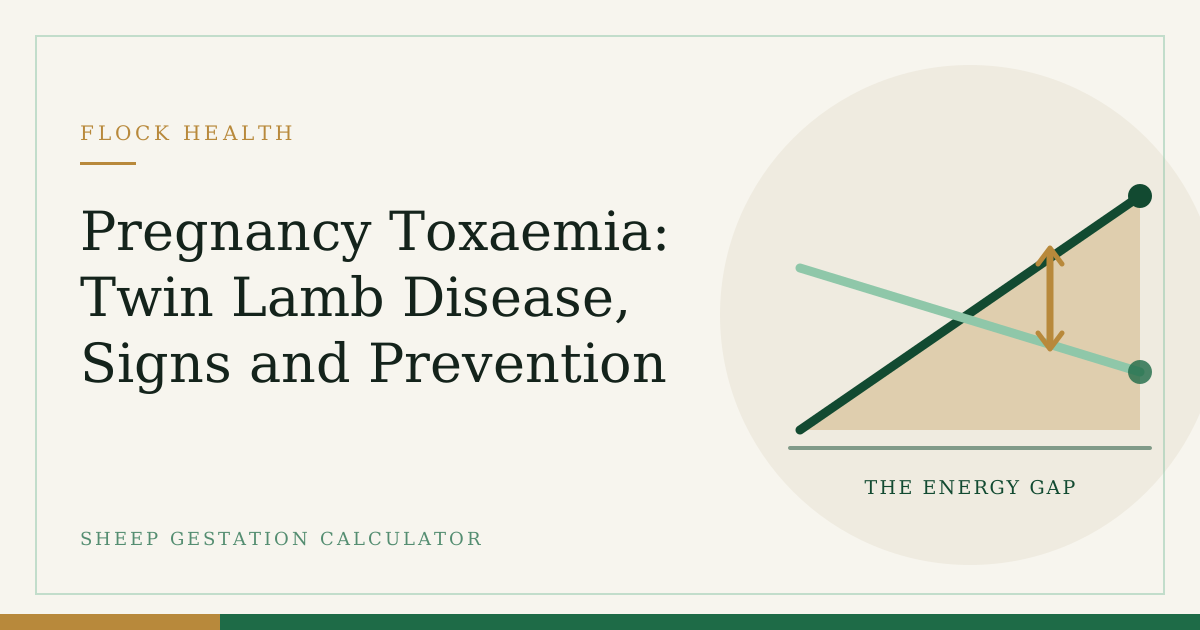
Pregnancy Toxaemia: Twin Lamb Disease Signs & Prevention
Twin lamb disease strikes in the last six weeks of gestation and is easier to prevent than to treat. Here is what drives it and how to keep it out of the flock.
Read articlePractical, field-tested guidance on sheep pregnancy, lambing preparation and flock health.
Showing 13–19 of 19 articles
Twin lamb disease strikes in the last six weeks of gestation and is easier to prevent than to treat. Here is what drives it and how to keep it out of the flock.
Read articleAround 70% of fetal growth happens in the last six weeks of pregnancy. How to feed for lamb vigour and colostrum without triggering twin lamb disease.
Read articleUdder development, a sunken pelvis, restlessness, pawing and nesting: how to read a ewe in the final days, hours and minutes before she starts to lamb.
Read articleMost ewes lamb unaided. Knowing what normal looks like, how long each stage should take and when to stop and call the vet is what saves lambs and ewes.
Read articleBreed, ewe age, body condition and flushing shape how many lambs a ewe carries, from singles to triplets, and why multiples arrive a day or two earlier.
Read articleThe pre-lambing booster, given around four weeks before the due date, loads colostrum with antibody and protects lambs in their most vulnerable weeks.
Read articleA checklist for a newborn lamb's first day: breathing, bonding, sucking, colostrum, warmth, navel care, checking the ewe and weak-lamb warning signs.
Read article